Creating a garden pond can transform your outdoor space into a tranquil oasis. When considering liner options, many DIY enthusiasts wonder about using rubber roofing materials, particularly EPDM membranes, as pond liners. This guide explores everything you need to know about using rubber roofing for pond construction.
Understanding Rubber Roofing Materials for Ponds
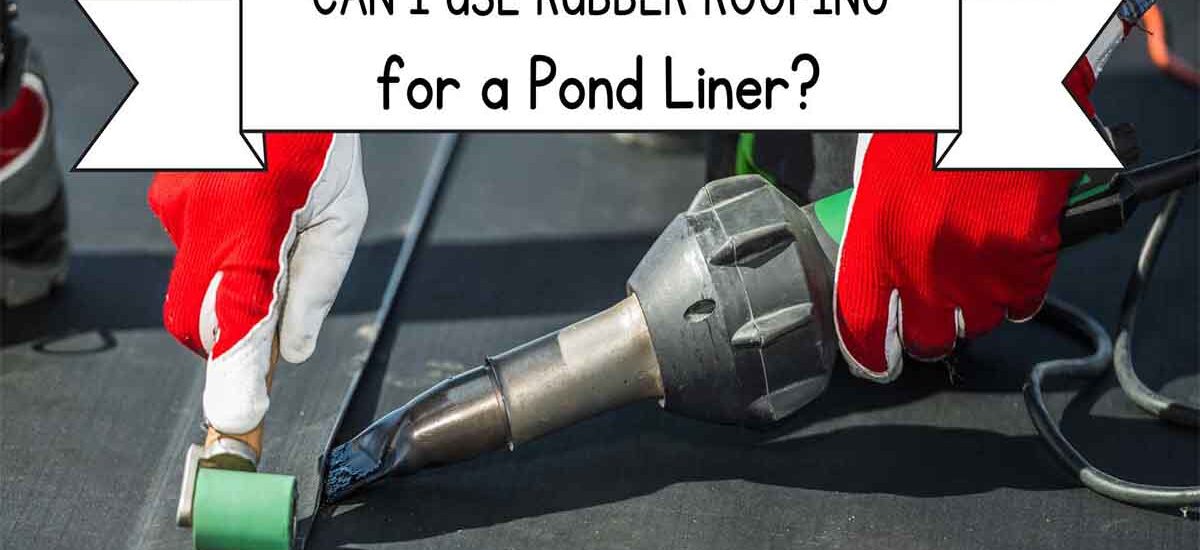
Rubber roofing membranes, especially EPDM (Ethylene Propylene Diene Monomer), have gained popularity as pond liner alternatives. These materials, originally designed for flat roofs, offer several advantages when repurposed for pond construction. EPDM rubber pond liners are known for their durability, flexibility, and resistance to UV radiation.
The most common thickness for pond applications is 45 mil EPDM rubber pond liner, which provides excellent puncture resistance while remaining flexible enough to conform to various pond shapes. Firestone rubber pond liner is one of the most recognized brands in this category, known for its high-quality materials and reliable performance.
Material Safety and Compatibility
When converting roofing membrane for pond use, safety is paramount. Here’s what you need to know about material compatibility:
Fish and Plant Safety
EPDM rubber is generally safe for aquatic life when properly installed. Unlike some alternative materials, high-quality rubber pond liners don’t leach harmful chemicals into the water. This makes them suitable for both ornamental and fish ponds. However, it’s crucial to use specifically pond-grade or fish-safe EPDM, as some roofing-specific products may contain biocides or other additives.
Environmental Durability
The waterproof rubber membrane thickness plays a crucial role in long-term performance. A 45 mil EPDM rubber pond liner offers:
- Excellent UV resistance, preventing degradation from sun exposure
- Temperature tolerance from -40°F to 175°F
- Resistance to microbial growth
- Flexibility to accommodate ground movement
Chemical Stability
High-quality butyl rubber pond liner and EPDM materials remain stable when exposed to:
- Varying pH levels
- Natural organic matter
- Common pond chemicals
- Fertilizers from surrounding landscape
Installation Process and Requirements
Proper installation is crucial for creating a successful pond using rubber roofing materials. Here’s a detailed breakdown of the process:
Surface Preparation
Before installing your rubber pond liner:
- Remove all rocks, roots, and sharp objects
- Level the ground thoroughly
- Install a protective underlayment
- Consider adding sand or soil cushioning
Seaming and Sealing
When working with large areas requiring multiple pieces:
- Use appropriate seam tape designed for underwater use
- Apply seam adhesive in dry conditions
- Roll seams firmly to ensure proper bonding
- Allow adequate curing time before filling
Edge Treatment
Proper edge finishing ensures longevity:
- Extend liner at least 12 inches beyond water level
- Secure edges with rocks or specialized edging materials
- Create plant shelves and varying depths as needed
- Consider future water level fluctuations
Maintenance and Long-Term Performance
Understanding maintenance requirements helps maximize your pond’s lifespan:
Lifespan Expectations
When properly installed, rubber roofing used as pond liner can last:
- 20+ years with proper maintenance
- Longer in shaded areas
- Better than many traditional pond liners
- Consistently with minimal degradation
Repair Procedures
If damage occurs:
- Small punctures can be patched with liquid rubber pond liner
- Larger tears require patch kits
- Professional repair services may be needed for extensive damage
- Regular inspection helps catch issues early
Cost Considerations and Material Selection
When searching for rubber pond liner for sale, consider these factors:
Material Costs
- Standard EPDM typically costs less than specialized pond liners
- Larger pieces reduce seam requirements
- Factor in additional materials like underlayment and edging
- Consider professional installation costs if needed
Quality Considerations
Choose materials based on:
- Manufacturer reputation
- Warranty coverage
- Thickness requirements
- Intended pond use
Professional Tips for Success
Experienced pond builders recommend:
- Always use a protective underlayment
- Calculate material needs with extra allowance
- Work in appropriate weather conditions
- Test water quality before adding fish
Common Mistakes to Avoid
When installing rubber roofing as a pond liner:
- Don’t skimp on underlayment
- Avoid creating unnecessary seams
- Don’t rush the installation process
- Never use non-aquatic safe adhesives
Conclusion and Recommendations
Rubber roofing can indeed serve as an excellent pond liner when properly selected and installed. The key to success lies in:
- Choosing appropriate materials
- Following proper installation procedures
- Maintaining the pond regularly
- Addressing issues promptly
For best results, consider:
- Using 45 mil or thicker EPDM
- Working with pond-specific products when possible
- Installing proper filtration systems
- Planning for future maintenance
While rubber roofing materials can make excellent pond liners, success depends on proper selection, installation, and maintenance. Whether you choose standard EPDM, Firestone rubber pond liner, or another brand, ensuring proper installation and maintenance will result in a beautiful, durable water feature that enhances your outdoor space for years to come.
Remember to consult local regulations regarding pond construction and consider professional installation for larger projects. With careful planning and execution, your rubber-lined pond can become a stunning and sustainable addition to your landscape.